The bonsai yellow horn tree is one of the common varieties in bonsai. It has a unique shape and beautiful leaves, but improper pruning can affect its growth and aesthetics. This article will introduce the relevant knowledge about pruning bonsai yellow horn trees.
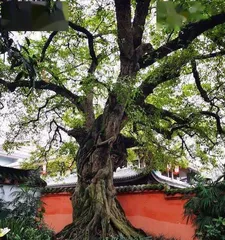
Growth Habits of the Yellow Horn Tree
The bonsai yellow horn tree prefers a warm and humid environment, likes light but should be shielded from direct sunlight. It grows relatively fast, so frequent pruning is necessary to control its shape.
Pruning Time for the Yellow Horn Tree
The yellow horn tree is suitable for pruning in spring or autumn, when the temperature is mild and the tree is growing vigorously. Avoid pruning in summer, as high temperatures can slow down wound healing and easily damage the tree.
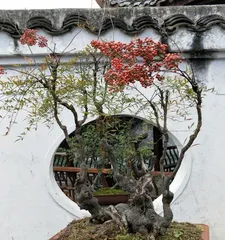
Preparation Before Pruning
Before pruning, you need to prepare tools such as scissors, disinfectant, and materials to prevent water leakage. Disinfecting scissors can prevent the spread of bacteria and avoid infecting the tree with diseases.
Pay Attention to the Direction of Pruning
When pruning, you need to prune according to the growth direction of the yellow horn tree. Generally, branches that are detrimental to the tree's growth should be removed to make it healthier and more aesthetically pleasing.
Root Pruning
The roots of the yellow horn tree also need appropriate pruning to prevent them from becoming too dense, which affects its growth and appearance. However, do not over-prune, as this can affect the stability of the tree.
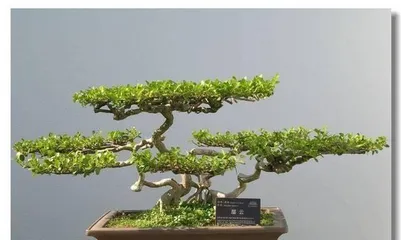
Pay Attention to the Amount of Pruning
When pruning, it is necessary to control the amount of pruning. Excessive pruning can affect the growth and nutrient supply of the yellow horn tree, leading to a weakened tree.
Maintaining the Canopy Shape
When pruning, pay attention to maintaining the canopy shape of the yellow horn tree. Do not over-prune any single part, as this will affect the aesthetics of the entire canopy.
Pruning Dead and Diseased Branches
During its growth, the yellow horn tree will produce dead and diseased branches, which need to be pruned in a timely manner. When pruning, promptly remove and dispose of the cut branches to prevent the spread of diseases.
Pay Attention to Wound Treatment
When pruning, pay attention to the treatment of the cut. The cut should be flat and smooth to allow for rapid healing. For larger wounds, materials such as lime powder can be used for treatment.
Maintain Moderate Moisture
After pruning, pay attention to the water supply for the yellow horn tree, keeping the soil moderately moist. However, do not overwater, as this can lead to root suffocation.
Appropriate Fertilization
After pruning, you can apply appropriate fertilizer to supplement nutrients. However, do not over-fertilize, as this can cause root burn.
Prevent Disease Infection
After pruning, it is important to prevent disease infection. You can apply antibacterial ointment or materials like liquid sulfur to the cut to prevent diseases.
Pay Attention to Environmental Temperature
When pruning in spring or autumn, pay attention to the environmental temperature. If the temperature is too low or too high, it will affect the growth and healing speed of the yellow horn tree.
Regular Inspection
After pruning, regularly inspect the growth of the yellow horn tree. Identify and address problems in a timely manner to maintain the health and aesthetics of the tree.
Pruning the bonsai yellow horn tree is an important measure to maintain the tree's health and beauty. When pruning, attention must be paid to the timing, amount, direction, and maintaining the canopy shape. At the same time, it is also necessary to pay attention to wound treatment and disease prevention. Only by preparing well can the yellow horn tree become healthier and more beautiful.