Cinnamon tree is a common indoor potted plant that is widely believed to bring good luck and peace, and is therefore loved. This article will provide a detailed introduction to the cultivation methods and watering techniques of cinnamon trees, in order to help readers successfully maintain cinnamon trees.
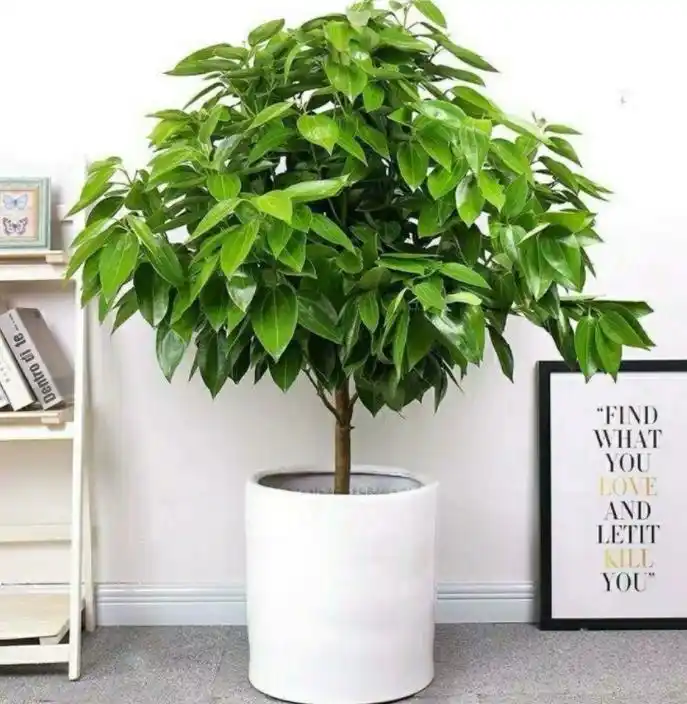
1. Soil: Good soil is the foundation
As the saying goes, "good soil nurtures good roots". Soil plays a fundamental and critical role in the growth of cinnamon trees and is the foundation for their robust growth.
. Appropriate soil can create a comfortable 'home' for cinnamon trees, allowing their roots to freely stretch and absorb nutrients, resulting in lush branches and leaves, and vibrant vitality.(1) Soil Characteristics
Cinnamon trees prefer loose, fertile, and well drained acidic soil, with a pH value between 5.0-6.5 being the most suitable.
. This is because loose soil is like a sponge, with many pores and strong breathability, allowing the root system of cinnamon trees to breathe freely and expand and grow freely; Fertile soil is like a treasure trove of nutrients, containing abundant organic matter that continuously provides energy and nutrients for the growth of cinnamon trees, helping them thrive; Good drainage performance is like installing an efficient "drainage system" for the soil, which can timely drain excess water, avoid waterlogging, and prevent root systems from rotting due to immersion in water. Acidic soil is even more essential for cinnamon trees.(II) Soil Matching
In actual aquaculture, it may not be easy to directly purchase finished soil that meets the growth requirements of cinnamon trees. Therefore, self preparing soil has become a good choice.
. Here are several common and practical soil combination schemes:Mix humus soil, peat soil, and perlite in a ratio of 4:3:1. Rotten leaf soil is formed by the natural decomposition of organic matter such as fallen leaves over a long period of time. It is rich in humus and can provide long-lasting nutrients for cinnamon trees; Peat soil is soft, with good water retention and permeability, which can keep the soil moist without being too wet; Perlite is like a "small sponge" in the soil, which can increase soil aeration and drainage, allowing roots to breathe freely.
(3) Timing of Soil Change
When cinnamon trees reach a certain stage of growth, they need to change the soil, just like we regularly clean the house and replace furniture, to provide them with a more comfortable growth space.
. The specific steps for soil replacement are as follows: Before replacing the soil, pause watering for about 3 days to let the soil dry slightly, which makes it easier to remove the plants from the pot. Then, use a small shovel to gently loosen the soil along the edge of the flowerpot, and carefully remove the cinnamon tree from the flowerpot, keeping the soil ball at the root as intact as possible. If rotten or diseased roots are found, they should be cut off with disinfected scissors to prevent the spread of the disease. Next, lay a thin layer of soil at the bottom of the new flowerpot, place the cinnamon tree into the pot, straighten the plant, and slowly fill it with new soil while gently compacting it to ensure full contact between the soil and the root system. Finally, irrigate thoroughly, which is called "root fixing water", which can quickly allow the roots to tightly adhere to the new soil, helping cinnamon trees adapt to the new environment as soon as possible. The cinnamon tree after soil replacement is relatively fragile and requires special care. Keep it in a cool and ventilated place, avoid direct sunlight, and let it rest quietly for a period of time. During this period, it is important to observe the dryness and wetness of the soil, keeping it slightly moist and avoiding excessive watering to prevent water accumulation and root rot.2. Lighting: Clever lighting is crucial
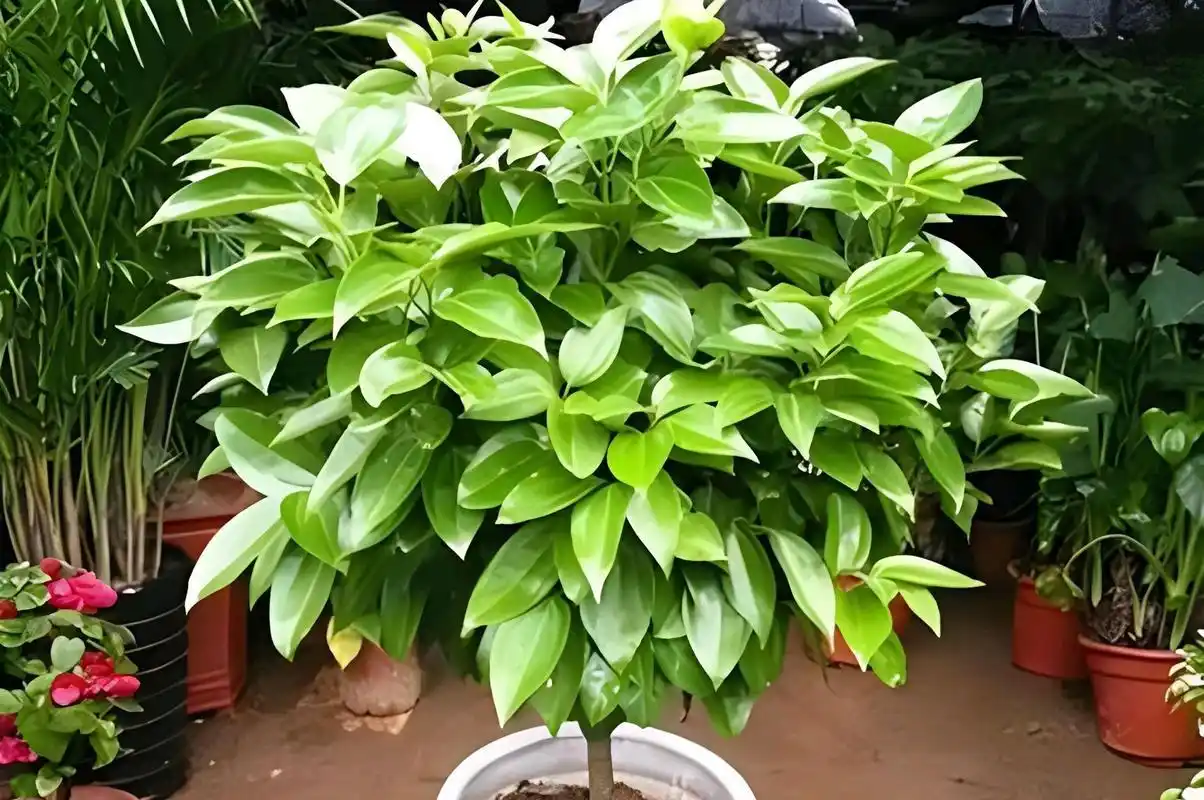
Lighting is like the "energy engine" for the growth of cinnamon trees, providing a continuous source of power for their life activities.
. Appropriate lighting conditions can enable the cinnamon tree to carry out efficient photosynthesis, synthesize sufficient organic matter, make its leaves greener and thicker, and its branches thicker and more upright, making the whole plant full of vitality and vigor. But if there is insufficient light, cinnamon trees will grow slowly like machines lacking power, and their leaves will become dull and lose their former radiance; However, excessive light can be like a double-edged sword, which may burn the leaves and cause damage to the cinnamon tree. Therefore, mastering the technique of good lighting is one of the key steps in cultivating cinnamon trees.(1) Light Requirements in Different Seasons
Cinnamomum cassia prefers bright and soft scattered light because it is native to tropical and subtropical regions. In natural environments, it often grows under the shade of tall trees, receiving a certain amount of light for photosynthesis without being directly exposed to strong sunlight.
. In summer, with strong sunlight and high temperatures, cinnamon trees are like children who are afraid of the sun and need us to provide them with shade and protection. If the cinnamon tree is directly exposed to strong sunlight, its leaves are easily sunburned, resulting in yellowing, withering, and burnt edges, which seriously affect its growth and appearance. So, in summer, we should place the cinnamon tree in a brightly lit indoor area but avoid direct sunlight, such as a corner of the living room, or use a sunshade net to build a "sunshade" for it, blocking 50% -70% of the sunlight and allowing it to spend the hot summer in a comfortable environment. In winter, the sunlight is relatively weak and the temperature is low, so cinnamon trees need more light to warm themselves and enhance their resistance. We can place the cinnamon tree on the south facing windowsill or balcony, allowing it to fully enjoy the sunshine. This not only meets its demand for light, but also increases the temperature around the plant, helping it resist cold weather and smoothly survive the winter.(II) Indoor Placement
When cultivating cinnamon trees indoors, the choice of placement is also very particular.
. The living room is the center of family activities and one of the common places for cinnamon trees to be placed. Placing the cinnamon tree in a bright place in the living room, such as near a window but without direct sunlight, can not only allow it to receive sufficient scattered light, but also add a natural atmosphere and vitality to the living room. The window edge is also a good choice, as there is ample light here. However, it is important to adjust the position of the cinnamon tree according to the changes in sunlight during different seasons and times. For example, in the summer when the sunlight is strong, it should be moved slightly indoors to avoid direct sunlight; In winter, it can be placed closer to the window to fully absorb the warmth of sunlight.It should be noted that cinnamon trees should not be placed in excessively dark corners, such as bathrooms, storage rooms, etc., as severe lack of light in these areas can prevent the normal photosynthesis of cinnamon trees, resulting in yellowing and shedding of leaves, slow plant growth, and other problems.
. At the same time, it is also necessary to avoid placing cinnamon trees directly next to air conditioning vents or heating systems, as these places have large temperature and humidity changes, which can have adverse effects on the growth of cinnamon trees.III. Temperature: Suitable temperature promotes growth
Temperature has an important impact on the growth of cinnamon trees. It is like the "invisible conductor" of cinnamon tree growth, controlling the rhythm of cinnamon tree growth and development.
. In a suitable temperature environment, the various physiological activities of cinnamon trees can proceed in an orderly manner, with rapid plant growth, lush green leaves, and full of vitality; Once the temperature is too high or too low, exceeding the tolerance range of cinnamon trees, it will interfere with their normal growth and may even cause serious damage to them.(1) Suitable temperature range
The temperature range suitable for the growth of cinnamon trees is between 20-30 ℃, which is like the "comfort zone" of cinnamon trees.
. Within this range, the metabolic activity of cinnamon trees can be efficiently carried out, with photosynthesis and respiration coordinating to provide sufficient energy and material basis for plant growth. Its root system can actively absorb nutrients and water from the soil, transport them to various parts of the plant, and promote vigorous growth of branches and leaves. The leaves are green and shiny, and the branches are thick and straight.(II) Winter Warmth Measures
In winter, the temperature is low, especially in northern regions, where the outdoors is often icy and snowy. For cinnamon trees, this environment is like an "ice cellar", so it is necessary to take good measures to keep warm and help them survive the cold winter smoothly.
. Firstly, you can move the cinnamon tree to a warm indoor location and try to choose a room with relatively stable and high temperature, such as a bedroom, living room, etc. At the same time, it is important to avoid placing cinnamon trees near windows, doorways, and other air vents, as cold winds can easily blow directly in these areas, causing a rapid decrease in temperature around the cinnamon tree and increasing its risk of freezing damage. If the indoor temperature is still low, some insulation devices can be used to warm up the cinnamon tree. For example, place small heaters around cinnamon trees, but be careful to maintain a certain distance to avoid damaging the plants due to high temperatures. You can also wrap the cinnamon tree in a plastic bag to create a small greenhouse environment and keep it warm and moisturized. But it is important to regularly open plastic bags for ventilation to avoid plants getting sick due to poor air circulation.(III) Summer Cooling Methods
In summer, with strong sunlight, temperatures often soar above 30 ℃. Cinnamon trees are like being in a "furnace" in such a high temperature environment and are easily damaged by high temperatures, so effective cooling measures need to be taken.
. Shading is one of the important means of cooling down in summer. You can place the cinnamon tree indoors in a well lit area but avoid direct sunlight, or set up a sunshade net outdoors to block 50-70% of the sunlight, creating a cool "summer resort" for the cinnamon tree. This can effectively reduce the heat caused by direct sunlight and prevent the leaves from getting sunburned.Fourth, Watering: Proper dryness and wetness to maintain health
Water is the source of life, and for cinnamon trees, proper watering is the key to ensuring their healthy growth. Just as we need to drink moderate amounts of water every day to maintain the normal functioning of the body, cinnamon trees also need a suitable water supply in order to thrive.
. However, watering too much or too little can bring a "health crisis" to cinnamon trees, so mastering the techniques and methods of watering is crucial. When watering cinnamon trees, it is important to follow the principle of "water thoroughly before watering, and do not water until dry". Watering thoroughly means allowing water to fully penetrate to the bottom of the soil, so that the roots can fully absorb water. You can water it once first, wait for the water to penetrate, and then water it again after about 30 minutes to ensure that the soil is completely soaked. However, it is important to avoid water accumulation. Water accumulation is like a "time bomb" that can cause oxygen deficiency in the roots of cinnamon trees, leading to root rot and other problems, seriously affecting the health of cinnamon trees. When watering, it is also possible to determine whether watering is necessary by observing the dryness and wetness of the soil. You can insert your fingers 1-2 centimeters into the soil. If you feel the soil is dry, it means you need to water it; If the soil is still moist, you can wait a few more days before watering. In addition, flower pots made of different materials have varying abilities to evaporate and retain water. For example, clay pots and ceramic pots have good breathability and evaporate water quickly, requiring frequent watering; Plastic and porcelain pots have better water retention and can reduce watering frequency appropriately.Sixth, Pruning: Dual Protection of Styling and Health
Pruning is like a professional stylist for cinnamon trees, who can not only shape a beautiful appearance, but also act as a caring health guardian, safeguarding its healthy growth.
. By proper pruning, those branches that affect the appearance can be removed, making the tree shape of cinnamon more beautiful and orderly, and enhancing its ornamental value; At the same time, it can also cut off dead and diseased branches, reduce nutrient consumption, improve the ventilation and light transmission conditions of the plant, enhance its disease resistance, and enable the cinnamon tree to grow vigorously. Although cinnamon trees can be pruned all year round, based on their growth habits and pruning effects, spring and autumn are the most suitable pruning seasons. In these two seasons, the temperature is suitable, and the cinnamon tree is in a period of vigorous growth, like a energetic athlete, with its physical function at its best. Trimming at this time can quickly heal its wounds and sprout new branches, allowing the plant to recover its vitality faster. For example, in spring, all things revive, and the growth rate of cinnamon trees accelerates. After pruning, new branches will grow in a short period of time, adding more vitality and vigor to the plants; The autumn climate is cool, and the lighting and temperature conditions are also very suitable for the growth of cinnamon trees. The trimmed wounds are not easily infected with bacteria, and the plants can smoothly pass through the recovery period after pruning.7. Prevention and Control of Diseases and Pests: Be prepared and protect safety
Diseases and pests are like "enemies" on the growth path of cinnamon trees, constantly threatening their health and beauty.
. Once invaded by pests and diseases, the leaves of cinnamon trees may appear spotted, withered, curled, or even shed, and the branches may become dry, fragile, and in severe cases, even lead to plant death. Therefore, it is crucial to do a good job in the prevention and control of pests and diseases. Only by preventing, detecting and effectively managing them in advance can cinnamon trees stay away from the troubles of pests and diseases, and maintain healthy and robust growth.