Cymbidium sinense is a common potted flower with beautiful flowers and leaves. However, many people cannot get it to bloom, or its flowering period is very short. Let's explore how to properly care for Cymbidium sinense so that it blooms more beautifully and lasts longer.
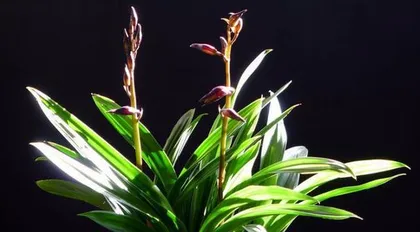
Soil Selection
Choosing good soil is the foundation for healthy growth of Cymbidium sinense. We can choose nutrient-rich, well-draining succulent plant soil or a combination soil mixed in a 2:1 ratio of leaf mold and sand for planting.
Light Preference
Cymbidium sinense requires high light conditions, generally needing to be placed outdoors or near windows with sufficient light. If kept indoors, ensure adequate sunlight exposure daily.
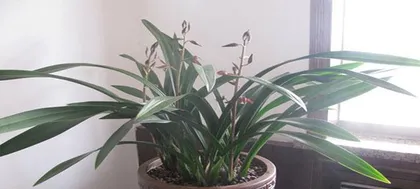
Water Management
Cymbidium sinense needs moderate water, but overwatering should be avoided. Generally, watering once or twice a week is sufficient. In winter, reduce watering frequency to prevent root rot due to excessive moisture.
Fertilizer Application
Cymbidium sinense needs regular fertilization during its growing season. Choose fertilizers rich in potassium and apply them every 1-2 months. However, avoid over-fertilization as it may burn the roots.
Temperature Control
The optimal temperature range for Cymbidium sinense growth is 15°C-30°C. Temperatures that are too low or too high may affect its growth and flowering period, so environmental temperature needs appropriate control.
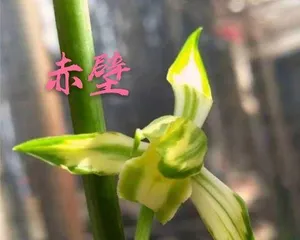
Pruning Techniques
During growth, Cymbidium sinense produces some dead leaves or stems, which need to be trimmed promptly to maintain tidiness and aesthetics. At the same time, pruning can adjust branch length and shape.
Misting Method
Cymbidium sinense needs to maintain certain humidity. You can lightly mist the leaves daily with a sprayer to increase air humidity and keep the leaves clean.
Transplanting Time
Cymbidium sinense generally needs to be transplanted once a year, preferably in spring or autumn. Avoid transplanting during midsummer or deep winter to prevent affecting growth and flowering.
Pest and Disease Control
Cymbidium sinense may be attacked by pests such as aphids and diseases like powdery mildew, requiring timely corresponding control measures. Specialized pesticides can be sprayed or applied.
Balcony Care Tips
If caring for Cymbidium sinense on a balcony, pay attention to preventing direct sunlight, ensuring ventilation, controlling water and fertilizer amounts, etc.
Flower Bud Protection
Cymbidium sinense blooming requires a good environment and growth conditions, and also needs attention to protecting flower buds. Flower buds usually appear in spring or autumn during the growing season, and external collisions and drought should be avoided.
Caring Mindset for Cymbidium Sinense
Caring for Cymbidium sinense requires patience and carefulness, not rushing or being overly anxious. Maintain a positive mindset and mood to allow better growth and development of the plant.
Post-Blooming Treatment
After Cymbidium sinense blooms, wilted flowers and stems need to be trimmed promptly to maintain plant health and aesthetics.
Repotting Techniques
As Cymbidium sinense grows, it gradually enlarges and needs repotting or changing to a larger pot. Before repotting, clean the old soil thoroughly, preserve the roots, and be careful not to damage them.
The above is a detailed introduction on how to properly care for Cymbidium sinense. Only by fully understanding the characteristics and growth habits of Cymbidium sinense can we adopt scientific care methods to allow it to grow healthily and bloom beautifully. Hope this article is helpful to everyone.
<|end_of_box|>