Spider plants are very popular indoor plants that not only purify the air but also increase indoor air humidity. However, for many people, how to water and care for spider plants correctly is a challenge. Let's explore the watering and care techniques for spider plants together!
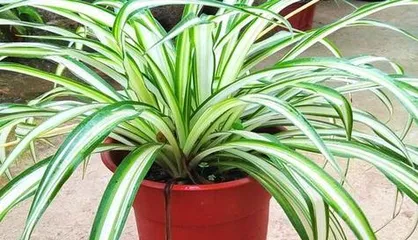
I. Understanding the Spider Plant's Growing Environment
Before learning how to water and care for spider plants, we need to understand their growing environment. Spider plants are native to tropical regions in Africa and South America, and their main growing characteristics are plenty of sunlight, humid air, and suitable temperatures.
II. Watering Time
Generally, spider plants should be watered every 3-4 days. Of course, the specific watering time should be adjusted according to the plant's environment and the season.
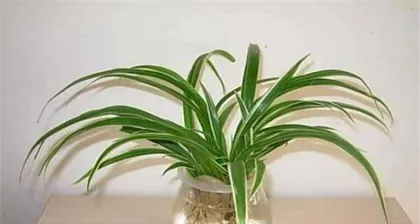
III. Watering Method
When watering, it's best to use a spray bottle or drip irrigation. This can prevent overwatering, which can make the spider plant sick. At the same time, it ensures that water is evenly distributed to every leaf.
IV. Amount of Water
The amount of water each time should be moderate, not excessive. If too much water is given, the spider plant is prone to root rot and may even die. Generally, the amount of water should be about 1/3 to 1/2 of the potting soil.
V. Pay Attention to Drainage
After watering, it is necessary to drain the water from the bottom of the pot in time to avoid waterlogging at the roots, which can cause root rot.

VI. Pay Attention to Temperature
Spider plants have high requirements for temperature. In summer when the temperature is too high or in winter when the temperature is too low, the frequency of watering needs to be increased to ensure the normal growth of the spider plant.
VII. Pay Attention to Humidity
Spider plants also have high requirements for humidity. If the indoor environment is relatively dry, it is necessary to spray water regularly or use a humidifier to maintain indoor humidity.
VIII. Pay Attention to Fertilizer
Appropriate fertilization can promote the growth of spider plants, but excessive fertilization can make them sick. Generally, fertilizer can be applied every 3-4 weeks.
IX. Pay Attention to Pest Control
Spider plants are susceptible to pests such as aphids and whiteflies during their growth period, and timely pest control measures need to be taken.
X. Pay Attention to Repotting
If the roots of the spider plant are too dense, it is necessary to repot it in time to ensure its normal growth.
XI. Pay Attention to Light
Spider plants have high requirements for light and need to ensure sufficient sunlight during their growth process.
XII. Pay Attention to Pruning
Timely removal of withered or diseased leaves and branches can promote the growth and health of the spider plant.
XIII. Pay Attention to Leaf Cleaning
Regularly cleaning the leaves of the spider plant can remove dust and dirt, keeping it clean and healthy.
XIV. Pay Attention to Seasonal Changes
When the seasons change, it is necessary to adjust the watering and care methods in a timely manner to ensure the normal growth of the spider plant.
XV.
Correct watering and care are key to keeping spider plants healthy. Only by mastering the correct care techniques can we make our spider plants grow lush.