In recent years, hydroponic plants have become increasingly popular, with hydroponic lotus bamboo being the most favored. Not only for its high ornamental value, but also for its ability to purify the air, increase humidity, and benefit human health. However, to ensure hydroponic lotus bamboo grows healthily and beautifully, it's necessary to master some cultivation methods and precautions. The details will be introduced below.
I. Selecting the Appropriate Vessel
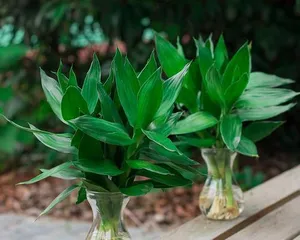
The cultivation of hydroponic lotus bamboo requires selecting an appropriate vessel. Transparent glass, ceramic, and other materials are generally used to facilitate observation of water quality and root growth. At the same time, a medium with good breathability and resistance to decay, such as hydroponic gel or glass beads, should be chosen.
II. Selecting Quality Seedlings
Selecting quality seedlings is key to ensuring the healthy growth of hydroponic lotus bamboo. Choose seedlings with an upright shape, dark green leaves, free from pests and diseases, and with lush, actively growing new roots.
III. Paying Attention to Water Quality
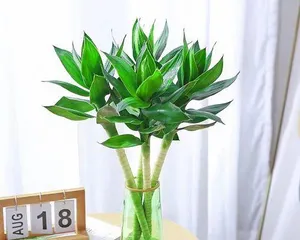
The growth of hydroponic lotus bamboo requires good water quality. Generally, tap water or filtered/purified water is used, with a suitable water temperature of around 25°C. It is necessary to change the water regularly to prevent it from becoming stale.
IV. Controlling Light Exposure
Hydroponic lotus bamboo prefers a warm, bright, and semi-shaded environment, but intense direct sunlight can be detrimental to its growth. The placement should avoid direct sunlight, but it should not be in a location that is too dark.
V. Proper Fertilization
Appropriate fertilization can promote the growth and development of hydroponic lotus bamboo. A moderate amount of liquid fertilizer can be added to the water, but the concentration should not be too high. Generally, fertilizing once every two weeks is sufficient.
VI. Maintaining Humidity
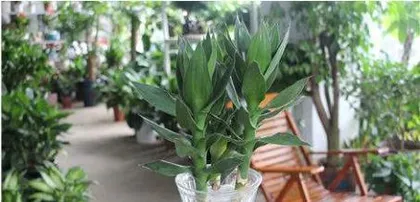
Hydroponic lotus bamboo requires high humidity. A moderate amount of hydroponic gel or a wet sponge can be added to the bottom of the vessel, or water mist can be sprayed around it to regulate humidity.
VII. Regular Pruning
Regular pruning helps maintain the beautiful shape of the hydroponic lotus bamboo and promotes healthy growth. It is important to disinfect pruning tools to prevent the spread of diseases.
VIII. Preventing Pests and Diseases
Hydroponic lotus bamboo is susceptible to pests like aphids and whiteflies. It is important to detect them promptly and take appropriate control measures, such as cleaning the leaves with soapy water or alcohol.
IX. Care Tips
There are many techniques for caring for hydroponic lotus bamboo. For example, a fan can be used to adjust indoor temperatures in the summer, and it should be protected from cold in the winter. Bamboo supports can also be used to help the plant grow upright.
X. Propagation of Hydroponic Lotus Bamboo
Hydroponic lotus bamboo can be propagated by cuttings or division. For cuttings, select a healthy top shoot with a clean cut and place it in hydroponic gel for rooting. For division, separate the mature lotus bamboo plant into sections.
XI. Common Problems and Solutions
Hydroponic lotus bamboo may encounter some common problems, such as dirty water or yellowing leaves. Appropriate solutions should be taken based on the specific situation.
XII. Precautions for Hydroponic Lotus Bamboo
When cultivating hydroponic lotus bamboo, attention should be paid to some details, such as regular cleaning of the vessel and the selection of water and fertilizers.
XIII. The Practical Value of Hydroponic Lotus Bamboo
Hydroponic lotus bamboo can not only be used as a home decoration but can also be placed in offices, commercial spaces, and other locations to help purify the air.
XIV. Market Prospects for Hydroponic Lotus Bamboo
As people's environmental awareness grows, this green cultivation method for hydroponic lotus bamboo is increasingly favored by the market, and its prospects are becoming ever broader.
XV.
Through the introduction of the cultivation methods and precautions for hydroponic lotus bamboo, we can see that the process is not overly complicated. By mastering the basic techniques and precautions, one can easily create a fresh and natural green plant for the home.