Fragrant wood, also known as rosemary, is one of the common foliage plants, named for the fragrance emitted by its leaves. In addition to its function of warding off evil spirits and preventing diseases, fragrant wood also has various effects such as beautifying the environment and increasing oxygen content. However, how to plant fragrant wood at home and maintain it well is a concern for many enthusiasts. This article will start from two aspects: the repotting time and maintenance methods of fragrant wood, to introduce in detail the growth process and maintenance techniques of fragrant wood for everyone.
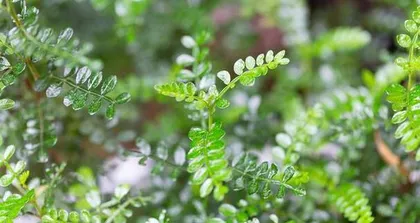
Choose the right potting soil - the soil should be loose and breathable, and avoid waterlogging.
Fragrant wood prefers a warm, dry, loose, and well-drained environment. Therefore, when choosing potting soil, you should choose a relatively loose texture. You can use general-purpose flower soil and add appropriate amounts of perlite, vermiculite, and other amendments to improve soil drainage. A layer of coarse sand or gravel should be laid at the bottom of the pot to allow water to drain better.
Appropriate repotting time - spring is the best time, avoid major climate changes.
Fragrant wood is suitable for repotting in spring, when the temperature is more suitable and the growing period of fragrant wood has just begun. At the same time, pay attention to avoid repotting during periods of major climate changes, so as not to cause unnecessary harm to the fragrant wood.
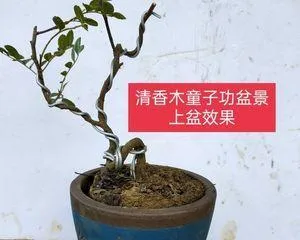
Reasonable watering frequency - avoid waterlogging and drought.
Fragrant wood does not require a large amount of water, so the watering frequency should also be appropriately controlled. When watering, pay attention to avoiding the potting soil being too wet and waterlogged. Generally, watering once a week is sufficient. Of course, in the hot and dry climate of summer, the watering frequency can be appropriately increased.
Light and temperature - keep stable and suitable.
Fragrant wood prefers plenty of sunlight, but too strong sunlight can cause scorch on the leaves. When placing it, avoid direct exposure to strong sunlight. You can choose a bright, ventilated indoor location. At the same time, fragrant wood has high requirements for temperature. The suitable growth temperature is between 18°C and 25°C, and the stability of the temperature must be maintained.
Pruning and placement - prune branches and change pots in a timely manner.
As time goes by, fragrant wood will gradually grow new buds and branches. At this time, it needs to be pruned and placed in a timely manner. The main task is to cut off overly long or dense branches to maintain the shape and beauty of the fragrant wood. During the growth of fragrant wood, it is necessary to replace the pot regularly to ensure it has enough space to grow.
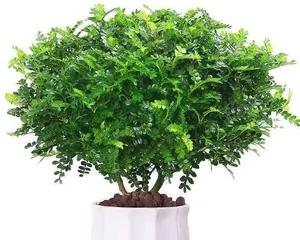
Fertilization - follow the principle of "less application, more frequent watering".
Fragrant wood needs regular fertilization during its growing period, but it is important not to over-fertilize. Generally, fertilizing once every 2-3 weeks is sufficient. When fertilizing, you should follow the principle of "less application, more frequent watering," that is, fertilize after each watering. You can use organic or chemical fertilizers, and the specific type of fertilizer to be used depends on the specific situation of the fragrant wood.
Pest and disease control - handle and prevent in a timely manner.
Fragrant wood can also be infested by pests and diseases, the most common being aphids, mites, and powdery mildew. If you find insects or diseases on the leaves of fragrant wood, you should take timely measures to deal with them. You can choose to spray pesticides or use natural insecticides to repel insects, but pay attention to the safety of use and its impact on the plant.
Avoid external interference - maintain a stable growth environment.
Fragrant wood is easily affected by external factors such as temperature, humidity, and air currents. In the process of maintaining fragrant wood, try to avoid external interference as much as possible. You can choose a suitable place to place it, avoid moving it frequently; at the same time, pay attention to maintaining indoor air circulation and stable humidity to create a suitable environment for the growth of fragrant wood.
Fragrant wood is a very suitable foliage plant for home cultivation. In addition to beautifying the environment and improving air quality, it also emits a fresh fragrance, making the living space more pleasant. However, to make fragrant wood grow healthy and strong, it is necessary to pay attention to many aspects of maintenance, such as suitable potting soil, appropriate repotting time, reasonable watering frequency, good light and temperature, and regular pruning. Only by strictly following these maintenance principles can fragrant wood grow more beautiful leaves and bring us more surprises and joy.