Dear fellow plant lover, your Clivia has finally bloomed! Don't those vibrant flowers against the green leaves fill you with a sense of accomplishment? But don't get too excited just yet, the care after a Clivia blooms is a science in itself! Next, let's explore the ins and outs of what to do after your Clivia has flowered!
I. Pruning After the Flowers Wilt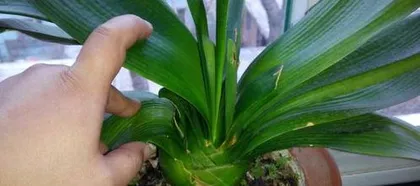
After the Clivia flowers have wilted, it's important to remove them promptly! This not only prevents nutrient loss but also keeps the plant looking tidy. Here are the specific steps:
1. Remove the withered flowers: Use clean scissors to cut off the withered flowers along with their flower stalks, being careful not to damage the surrounding leaves.
2. Clean the wound: After cutting the flowers, some sap may ooze out. Gently wipe the wound with tissue paper to prevent bacterial infection.
3. Ensure good ventilation: Place the pruned Clivia in a well-ventilated area to help the wound heal.
II. Repotting and Changing Soil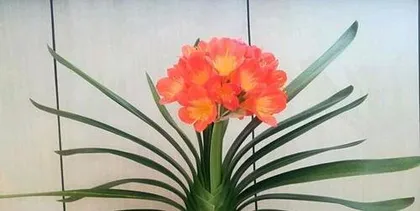
To ensure your Clivia grows better, timely repotting and soil replacement are essential.
1. Repotting: Generally, repot every 1-2 years. Choose a pot one size larger than the original to ensure the roots have enough space to grow.
2. Changing soil: Use a soil mix that is loose, breathable, and well-draining, such as a mixture of leaf mold, perlite, and river sand. When changing the soil, take the Clivia out along with its original root ball, gently shake off the old soil, and place it in the new soil.
III. Watering and Fertilizing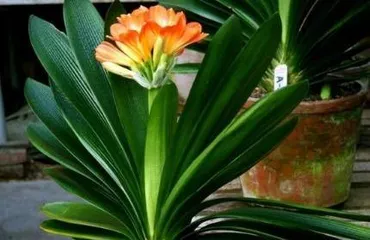
After the Clivia blooms, adjustments to watering and fertilizing are also necessary.
1. Watering: Keep the soil slightly moist, avoiding waterlogging. Reduce watering frequency during hot summer months and increase it slightly during winter.
2. Fertilizing: After flowering, you can reduce the amount of fertilizer to prevent excessive vegetative growth. Choose a balanced compound fertilizer with appropriate N-P-K ratios and apply it once a month.
IV. Light and TemperatureClivia plants prefer a semi-shaded environment. Pay attention to the following points after flowering:
1. Light: Avoid direct sunlight. Place it in a spot with bright, indirect light, such as an indoor windowsill.
2. Temperature: Maintain a room temperature between 15-25°C to avoid damage from extreme cold or heat.
V. Pest and Disease ControlAfter the Clivia blooms, it's also important to prevent and control pests and diseases.
1. Observe the leaves: Regularly check the leaves for any signs of pests or diseases and address them promptly if found.
2. Clean the environment: Keep the growing area clean to prevent pests and diseases from multiplying.
3. Chemical control: If the infestation is severe, you can use appropriate low-toxicity pesticides for treatment.
VI. Artificial Pollination and Seed SavingIf you want to save seeds from your Clivia, you can try artificial pollination.
1. Select healthy plants: Choose a robust Clivia with vibrant flowers for artificial pollination.
2. Pollination time: Generally, pollinate 3-5 days after the flowers have opened.
3. Pollination method: Gently transfer pollen from the stamens to the pistil using a cotton swab.
Dear fellow plant lover, that's all for the post-blooming care of your Clivia! I hope these tips help you better care for your plant, allowing it to bloom beautifully year after year! Remember to follow me for more gardening knowledge waiting for you to discover!