Pregnancy is a special time. In addition to paying attention to your diet and maintaining a pleasant mood, it's also important to be mindful of your surroundings, including the plants in your home. Certain flowers may have adverse effects on the body, so it's necessary to carefully select flowers suitable for pregnant women to care for. This article will introduce you to 8 recommended flower species and share how to care for them, hoping to help women who are planning to conceive or are already pregnant.
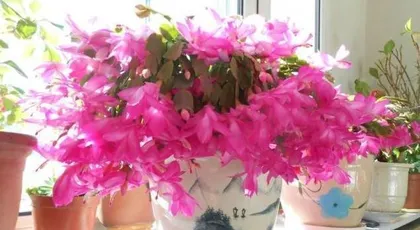
Rose
Rose is a beautiful flower and an ideal choice for care during pregnancy. It can purify indoor air, relieve mental stress, and has calming and relaxing effects. To keep the rose in good condition, ensure the soil is moist but not overwatered, and fertilize regularly to promote its growth.
Jasmine
Jasmine is a fragrant flower that can improve indoor air quality and create a relaxing atmosphere. Additionally, jasmine can help improve sleep quality and alleviate pregnancy-related nausea. To make jasmine more lush, place it in a sunny, well-ventilated location and maintain proper watering and fertilization.
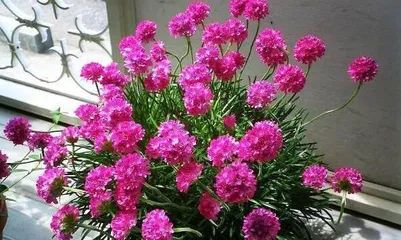
Plum Blossom
Plum blossom is a flower that blooms in cold seasons and is very beneficial for the health of pregnant women. It can improve indoor air quality, reduce pollutant load, and also soothe emotions and promote blood circulation. Plum blossoms prefer moist soil and a ventilated environment and need regular fertilization to promote growth.
Chrysanthemum
Chrysanthemum is a beautiful flower containing various vitamins and minerals, which is very beneficial for pregnancy health. It can boost immunity, improve sleep, and relieve stress and anxiety. Chrysanthemums prefer plenty of sunlight and well-drained soil, and need moderate watering and fertilization.
Tulip
Tulip is a popular flower that pregnant women can also choose with confidence. It can improve mood, promote blood circulation, and help relieve emotional stress. To make tulips more lush, place them in full sun and water and fertilize them regularly.
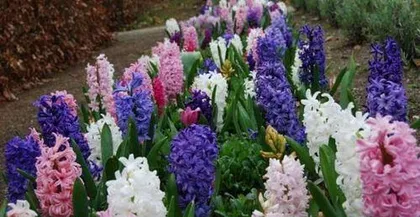
Spider Plant
Spider plant is an indoor plant suitable for care during pregnancy. It can purify the air, relieve mental stress, and promote sleep. Spider plants are shade-tolerant and drought-resistant, relatively easy to care for, but it's important to avoid overwatering.
Aloe Vera
Aloe vera is a common indoor plant that contains a variety of nutrients and is very helpful for pregnancy health. It can relieve skin itching, improve constipation, boost immunity, etc. Aloe vera needs moderate sunlight and water, and it's important to avoid over-fertilization.
Cactus
Cactus is a succulent plant suitable for care during pregnancy, which can purify the air and create a relaxing effect. Cacti need plenty of sunlight and well-drained soil, and it's important to avoid overwatering and over-fertilizing.
Flower Care Tips
Choosing flowers suitable for care during pregnancy is very important, but how to care for them is equally crucial. First, pay attention to proper watering, avoiding overwatering or underwatering. Second, pay attention to appropriate fertilization to maintain the growth and health of the flowers. In addition, fallen leaves and dead branches should be removed in a timely manner to avoid negative impacts on the indoor environment.
Avoiding Contact with Toxic Plants for Pregnant Women
In addition to selecting flowers suitable for care during pregnancy, it is also necessary to avoid pregnant women's contact with toxic plants to prevent adverse effects on the body. For example, acacia and euphorbia are toxic plants that pregnant women should avoid contact with.
Paying Attention to the Fragrance of Flowers
The fragrance emitted by some flowers may have adverse effects on pregnant women, so it's important to pay attention to the smell when purchasing flowers. For example, the fragrance of lilies and baby's breath may make pregnant women feel uncomfortable.
Avoiding the Use of Pesticides and Fertilizers
When caring for flowers during pregnancy, it is necessary to try to avoid the use of pesticides and fertilizers. These chemical substances may have adverse effects on pregnant women and fetuses, so it is necessary to adopt natural methods for flower care.
Regularly Cleaning Flower Pots and Leaf Surfaces
When caring for flowers during pregnancy, it is necessary to regularly clean flower pots and leaf surfaces to prevent the accumulation of dust and germs. You can wipe the pots and leaves with a soft cloth or sponge, and also regularly prune withered leaves.
Avoiding Overwatering
Overwatering can lead to root rot in flowers, so this situation needs to be avoided. Generally, the frequency and amount of watering should be determined according to the type of flower and environmental humidity.
Choosing suitable flowers to care for during pregnancy and providing proper care can help alleviate pregnancy discomfort and have a positive impact on the health of both the mother and the baby. It is hoped that the eight recommended flower species and flower care tips introduced in this article will be helpful to women who are planning to conceive or are already pregnant.