Since ancient times, people have enjoyed using plants to symbolize good fortune and prosperity. Among them, some plants are beloved and have become symbols of good fortune and prosperity due to their unique shapes, colors, or legendary stories. Today, let's explore these magical plants together.
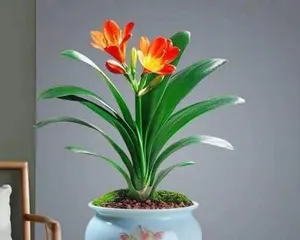
I. Red Maple Tree - Auspiciousness and Good Fortune
As one of the most representative ornamental tree species in southern China, the red maple tree, with its beautiful branch and leaf forms and rich colors, has always been regarded as a symbol of auspiciousness and good fortune.
II. Kumquat - Wealth and Good Fortune
In Chinese culture, the kumquat represents wealth and good fortune. Especially during traditional Chinese festivals, the kumquat symbolizes "prosperity" and "wealth," embodying people's hopes for future wealth and happiness.
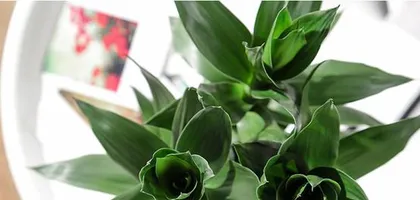
III. Lotus Flower - Purity and Elegance
Due to its elegant form and refined temperament, the lotus flower has been endowed with symbolic meanings of auspiciousness and purity.
IV. Plum Blossom - Defiance of Snow and Frost
The plum blossom, with its early blooming season, elegant colors, and beautiful form, is hailed as the leader of the "Three Friends of Winter," symbolizing the spirit of defying snow and frost.
V. Chrysanthemum - Unyielding Integrity
The chrysanthemum not only has a beautiful appearance but is also a plant rich in cultural connotation. In traditional Chinese culture, it is seen as a symbol of nobility, elegance, and unyielding integrity.
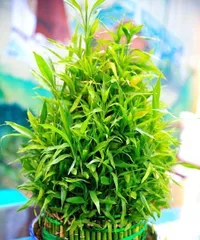
VI. Orchid - Nobility and Purity
Although not as gentle as other flowers, the orchid possesses a noble and pure temperament. In ancient Chinese culture, the orchid is also known as one of the "Four Gentlemen".
VII. Dragon's Blood Tree - Auspiciousness and Longevity
The dragon's blood tree is a tree blessed by the sun god and is regarded in many regions of Europe, Africa, and Asia as a symbol of good fortune, prosperity, and longevity.
VIII. Bamboo - Extraordinary and Unconventional
In Chinese culture, bamboo is seen as a symbol of being extraordinary and unconventional. The masculine aura emitted by bamboo is also regarded by people as a symbol of good fortune and prosperity.
IX. Ginkgo Tree - Wealth and Abundant Blessings
The ginkgo tree represents wealth and abundant blessings in traditional Chinese culture. The ginkgo tree has a rich cultural heritage, and its fruit symbolizes good fortune, longevity, and auspiciousness.
X. Peony - The King of Flowers
The peony is one of the most important plants in traditional Chinese culture and is also known as the "King of Flowers," holding the top position among the top ten famous flowers of China.
XI. Pomegranate - Many Children and Great Fortune
In Chinese culture, the pomegranate is a symbol of many children and great fortune. The radiant red of the pomegranate is also seen as a symbol of good fortune and prosperity.
XII. Peach Blossom - A Blissful Love
With its vibrant colors and charming floral form, the peach blossom has become a symbol of a blissful love in Chinese culture.
XIII. Spider Plant - Peace and Serenity
The spider plant, with its fresh, natural, and peaceful aura, is regarded as one of the plants that bring good fortune and prosperity into the home.
XIV. Pothos - Harmony and Bliss
The pothos is regarded as a symbol of harmony and bliss. In traditional Chinese culture, the pothos also represents peace, harmony, and a loving couple.
XV. Begonia Flower - The Flower of Lovers
In Chinese culture, the begonia is the flower of lovers. The begonia's fragrant scent, and its blooming and falling, are just like the sweetness and setbacks in love, symbolizing the complexity and beauty of romance.
There are many plants that symbolize good fortune and prosperity. They carry people's aspirations and longings for a better life. By observing and appreciating these plants, we can feel the charm and profound depth of human culture.