Phalaenopsis, as a common ornamental plant, is often used to decorate homes and offices. However, after it has finished flowering, many people don't know how to handle it. If not handled properly, it will affect the next flowering, and may even lead to the death of the Phalaenopsis. Understanding the care techniques for Phalaenopsis after flowering is very necessary.
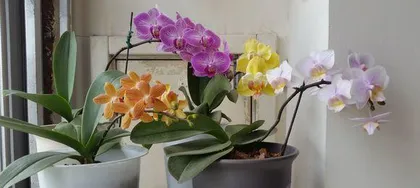
Remove withered flower stalks in a timely manner
When the Phalaenopsis flowers wither, the flower stalks should be removed in time. This can reduce the energy consumption of the plant, allowing it to allocate more nutrients to growth.
Pay attention to providing adequate water
Although the flowering period of the Phalaenopsis is over, it still needs adequate water to ensure the growth and development of the plant. However, be careful not to water too much to avoid waterlogging and root rot.
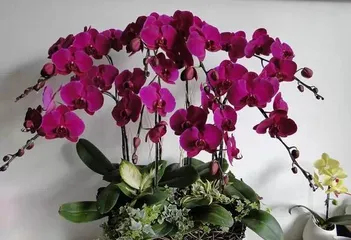
Control temperature and humidity
Phalaenopsis is a plant that loves high temperatures and high humidity, but after flowering, the temperature and humidity can be appropriately reduced. This helps the plant to enter dormancy and store energy.
Pay attention to light
Phalaenopsis needs sufficient sunlight during its growth period, but after flowering, the plant can be placed in a semi-shaded area. This helps the plant's growth and also prevents direct sunlight from damaging the flowers.
Fertilize in moderation
Phalaenopsis needs a large amount of nutrients during the flowering period, but after flowering, it does not need excessive nutrients. Fertilize in moderation, not too much.
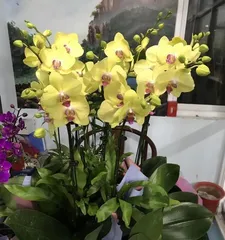
Prune leaves in a timely manner
During the flowering period of Phalaenopsis, leaves can be pulled too much, easily causing them to bend or even break. After flowering, the leaves should be pruned in time to allow the plant to return to a normal growth state.
Spray foliar fertilizer
After Phalaenopsis flowers, you can use foliar fertilizer to provide nutrients. This not only promotes the growth of the plant but also enhances the photosynthesis of the leaves.
Repotting should not be too early
The roots of Phalaenopsis are very sensitive, and repotting should not be too early. Generally, after flowering, you can wait until the plant has grown to a certain extent before repotting.
Pay attention to pest and disease control
Phalaenopsis is susceptible to pests and diseases during the flowering period. After flowering, the plant should be inspected more closely to detect and deal with pests and diseases in a timely manner.
Give sufficient dormancy time
Phalaenopsis needs a period of dormancy after flowering to store energy and prepare for the next flowering. Sufficient dormancy time should be given, and the growth of the plant should not be excessively disturbed.
Control water and fertilizer appropriately
After Phalaenopsis enters the dormant period, water and fertilizer should be controlled appropriately. The frequency of watering and fertilizing can be reduced to ensure the normal growth of the plant.
Maintain ventilation
Phalaenopsis also needs ventilation during the dormant period to maintain air circulation and suitable humidity. However, be careful to avoid direct wind to avoid adverse effects on the plant.
Move the plant appropriately
After Phalaenopsis enters the dormant period, the plant can be moved appropriately. The plant can be placed outdoors to receive natural light and fresh air.
Pay attention to cold protection and warmth
After winter arrives, Phalaenopsis needs attention to cold protection and warmth. If the temperature is too low, you can use a thermal bag or move the plant indoors to keep it warm.
Induce re-flowering
After the dormant period, appropriate measures can be taken to induce re-flowering of Phalaenopsis. This can include providing sufficient light, appropriate water and fertilizer, and controlling temperature and humidity.
The care techniques for Phalaenopsis after flowering are a relatively complex process that requires attention to many details. Only by properly handling these details can the Phalaenopsis re-flower and grow healthily.