Roses are a beloved flower for many, but they can easily be damaged by the high temperatures of summer. Proper care methods can keep your roses healthy and thriving during the summer season.

I: Choose rose varieties suitable for summer planting
To ensure good growth in the summer, it's necessary to choose varieties suitable for summer planting. For example, select heat-tolerant, drought-resistant, and sun-resistant varieties such as Yingxia, Xiana, and Summer Fragrance.
II: Watering
During the high temperatures of summer, it is important to keep the soil moist. However, overwatering can also lead to root rot. Generally, watering once or twice a week to keep the soil slightly moist is sufficient.
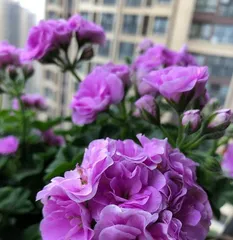
III: Maintain Ventilation
During the high temperatures of summer, both indoor and outdoor environments need to be well-ventilated. Good ventilation can effectively reduce pest and disease infestations and prevent excessive evaporation and high temperatures.
IV: Pruning
Summer is a season of vigorous growth for roses. Timely pruning can control the shape of the plant and make it healthier. Besides preventing nutrient loss, pruning also stimulates new growth.
V: Fertilizing
Summer is a season when roses need abundant nutrients. Proper fertilization can provide the necessary nutrients. However, do not over-fertilize, as this can lead to excessive foliage growth and difficulty in flowering.
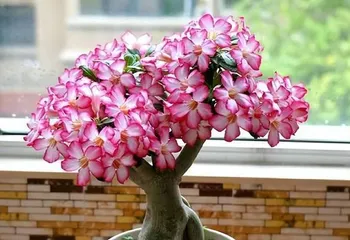
VI: Pest and Disease Control
Summer is a season for the proliferation of pests and diseases, so prevention and control need to be strengthened. Organic insecticides and fungicides can be used, but care should be taken to avoid harm to the environment and humans.
VII: Sun Protection
The strong sunlight in summer can damage roses, so sun protection is necessary. Measures such as using shade nets, tree shade, and pergolas can be used to prevent roses from being directly exposed to the sun.
VIII: Weeding
Summer is a season when grass and weeds flourish, so timely weeding is necessary. The presence of weeds can affect the nutrient absorption and growth of roses and can easily lead to pests and diseases.
IX: Increase Humidity
Summer temperatures are high, and air humidity is low. A spray bottle or placing a cup of water near the pot can be used to increase the humidity around the roses, making them more comfortable.
X: Pruning Flowers
During the high temperatures of summer, properly pruning flowers can help roses grow better. Withered or damaged flowers can be cut off to promote new growth.
XI: Pay Attention to Fertilizer and Water Balance
Summer is a season when roses need sufficient water and nutrients. However, excessive fertilization and watering can also harm the plants. It is important to maintain a balance between fertilizer and water.
XII: Regularly Clean Leaf Surfaces
Summer is a season for pests and diseases to breed. Dust and rain can accumulate on leaf surfaces, easily breeding bacteria and pests. Regularly cleaning the leaf surfaces can effectively reduce pest and disease infestations.
XIII: Prevent Waterlogging
Summer brings a lot of rain, so it's important to prevent water from accumulating. Avoid water seeping from the bottom of the pot, and also ensure that the drainage holes at the bottom of the pot are clear.
XIV: Control Temperature
During the high temperatures of summer, it is necessary to control the growing temperature of roses. Avoid exposing the plants to excessively high temperatures to prevent wilting.
XV: Proper Dormancy
Proper dormancy can help roses better adapt to the high temperatures of summer. You can reduce watering and fertilization, and decrease pruning to allow the plant a period of rest.
Summer is a season that requires special attention for rose care. Proper care methods can keep your flowers healthy and beautiful even in the scorching heat. Pay attention to maintaining a balance of fertilizer and water, preventing pest and disease infestations, controlling temperature, and ensuring good ventilation.