Monstera deliciosa is an excellent ornamental plant that thrives in warm and humid environments. In the process of cultivation, we can grow it indoors or choose to cultivate it outdoors. Can Monstera deliciosa be grown outdoors? How to care for it outdoors? This article will detail the methods and precautions for growing Monstera deliciosa outdoors.
Choosing the Right Location
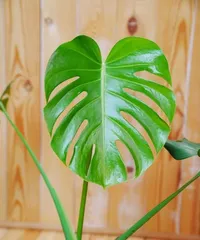
When selecting a cultivation site, multiple factors such as natural light, temperature, humidity, and ventilation need to be considered. For Monstera deliciosa, the suitable temperature for growth is between 15°C and 30°C, and the humidity should be controlled above 70%. Additionally, the site needs to have proper ventilation to prevent excessive moisture, which can lead to diseases.
Understanding Soil Requirements
Monstera deliciosa needs nutrient-rich soil. It is recommended to use leaf mold or peat moss as the base, and add an appropriate amount of sand and well-rotted organic fertilizer to improve the soil's water retention and aeration. Before planting, keep the soil moist to facilitate root growth.
Proper Fertilization
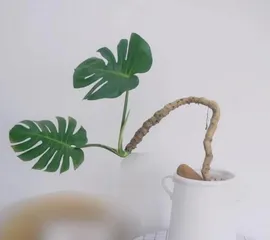
Monstera deliciosa requires an adequate supply of nutrients, especially elements like nitrogen, phosphorus, and potassium. During outdoor cultivation, you can apply a compound fertilizer containing nitrogen, phosphorus, and potassium once a month. Be sure to control the amount of fertilizer to avoid over-fertilization, which can lead to poor plant growth or root rot.
Regular Watering
Monstera deliciosa likes a humid environment, so it needs regular watering to keep the soil moist during outdoor care. However, do not overwater to prevent waterlogging, which can affect the plant's health. Generally, watering once or twice a week is sufficient to meet its growth needs.
Pest and Disease Control
During outdoor cultivation, Monstera deliciosa is susceptible to various pests and diseases, such as anthracnose, aphids, and leaf-rolling moths. In the care process, it is important to detect them promptly and take measures for treatment. Common treatment methods include spraying insecticides and cutting off affected branches.
Pruning
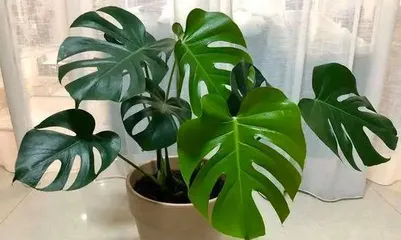
As Monstera deliciosa grows, it can produce dense or unbalanced branches, affecting its overall aesthetics and growth condition. During care, timely and appropriate pruning is necessary to maintain the plant's balance and health.
Repotting in a Timely Manner
As Monstera deliciosa grows, its roots will expand gradually. If the pot is not changed in time, the roots will become restricted, affecting the plant's growth. Regular repotting is necessary during outdoor cultivation.
Avoiding Over-Repotting
Although repotting is beneficial for the plant's growth, over-repotting can also affect its growth and health. Generally, repotting once a year is sufficient.
Wind and Cold Protection
During outdoor cultivation, the temperature varies greatly with the seasons, so it's important to protect the plant from wind and cold. For young seedlings or tender shoots, you can use protective covers or stakes to shield them from wind and rain.
Avoiding Direct Sunlight
Monstera deliciosa is suitable for growing in partial shade; excessive direct sunlight can cause its leaves to turn yellow or wilt. During outdoor cultivation, it is necessary to choose a location with appropriate light intensity and avoid direct sunlight.
Ensuring Proper Drainage
When watering, pay attention to drainage to prevent water accumulation, which can cause the plant to rot. It is recommended to have drainage holes at the bottom of the pot to facilitate water drainage.
Foliar Feeding
Foliar feeding is an effective way to supplement nutrients, improving the plant's nutrient absorption efficiency and enhancing its disease resistance. During outdoor care, you can periodically apply foliar fertilizer.
Removing Diseased Leaves Promptly
If you find symptoms like withered or discolored leaves on the Monstera deliciosa, it is necessary to prune the diseased leaves promptly and disinfect the plant thoroughly to prevent the spread of disease and its impact on growth.
Loosening the Soil Regularly
Loosening the soil can maintain its aeration and water retention, preventing soil compaction and hypoxia. During outdoor care, it is recommended to loosen the soil once in the spring and once in the autumn.
Monstera deliciosa is an ornamental plant suitable for outdoor cultivation, but it requires attention to various care factors. Choosing the right location, understanding soil requirements, proper fertilization, regular watering, pest and disease control, pruning, and timely repotting are key to growing Monstera deliciosa outdoors. Only by following these methods and precautions can the plant grow healthily and display a more beautiful form.