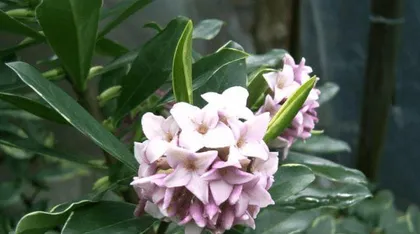
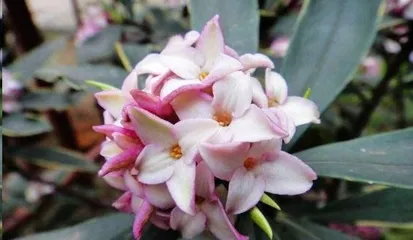
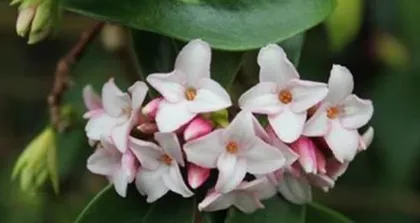
Daphne is a common ornamental plant, popular in homes and offices. However, without proper care, it can easily wither and die. Understanding the right time for repotting and the correct care methods is crucial for Daphne.
I: Choosing the Right Season for Repotting
When choosing the time to repot Daphne, consider the season. Spring and autumn are the most suitable times because the moderate temperatures are conducive to plant growth. Summer and winter are not ideal for repotting.
II: Selecting the Right Pot
When selecting a pot, choose one that is an appropriate size for your Daphne. The pot material is also very important; it is best to use materials with good breathability, such as ceramic or plastic pots.
III: Choosing Suitable Soil
Daphne prefers acidic soil, so you should choose a suitable acidic mix for repotting. This can be made by combining materials such as pine needles, leaf mold, and peat.
IV: Correct Watering Methods
Daphne needs to maintain moderate humidity but should not be overwatered. Adjust the frequency and amount of watering based on the plant's growth status and the ambient temperature.
V: Suitable Light Conditions
Daphne thrives in well-lit environments, but excessive sun exposure can cause its leaves to yellow. During hot summers, provide some shade. In winter, when sunlight is weaker, ensure it gets enough light.
VI: Suitable Temperature and Humidity
Daphne has specific requirements for temperature and humidity. The ideal indoor temperature is between 18-25°C, with humidity around 50-60%. In winter, be mindful of avoiding overly dry conditions.
VII: Pest and Disease Control
Daphne is susceptible to various pests and diseases, such as red spider mites and aphids. Be vigilant in detecting and addressing these issues promptly using either chemical pesticides or natural remedies.
VIII: Proper Pruning and Shaping
Proper pruning and shaping can encourage healthy growth and improve the plant's appearance. Prune and shape your Daphne as needed based on its growth condition.
IX: Avoid Frequent Moving
Daphne is sensitive to environmental changes, and frequent moving can stress the plant and affect its growth. Choose a suitable location and try to keep it there.
X: Fertilizer Application
Daphne needs a moderate supply of nutrients. You can use a fertilizer specifically formulated for Daphne. Be careful not to over-fertilize, as this can damage the root system.
XI: Proper Dormancy Period
Daphne also goes through a dormant period, typically in winter. During this time, reduce watering and fertilization while maintaining suitable temperature and humidity.
XII: Cold Protection and Insulation
Daphne is sensitive to cold weather and requires protection. During cold winters, you can add insulation materials like foam boards or straw around the pot.
XIII: Preventing Root Binding
The roots of Daphne can easily become tangled. Check them regularly to prevent the root ball from becoming too dense, which can hinder growth.
XIV: Keep the Pot Clean
The pot for Daphne also needs regular cleaning and disinfection to prevent the growth of pathogens. Be sure to clean the pot when you change the soil.
XV:
Repotting and caring for Daphne involves many aspects, including choosing the right season, pot, and soil, as well as proper watering, light, and temperature. Only by mastering the correct methods can you ensure your Daphne grows strong and healthy.