How to fertilize azaleas? Scientific care, bloom beautifully

Abstract:The picturesque beauty of the rhododendron is captivating, making it impossible not to pause and admire. To make this flower bloom in its most splendid colors, fertilization is a crucial step! Today, let me give you a detailed analysis of how to fertilize rhododendrons! I. Understanding the Growth Habits of Rhododendrons Before fertilizing, let's first understand the growth habits of rhododendrons. Rhododendrons prefer a warm and humid environment, are not very cold-tolerant, and have specific soil requirements. Generally, they thrive in well-drained, fertile, and slightly acidic soil. II. Fertilization Time The fertilization schedule for rhododendrons has two main stages: basal fertilizer and top dressing. 1. Basal Fertilizer: Apply a basal fertilizer once in spring, around March, before the rhododendrons begin to sprout. At this time, you can use well-rotted organic fertilizers like chicken or cow manure, applying about 500 grams per plant. 2. Top Dressing: During the active growth period, from May to August, apply top dressing every 15 days or so. For this, a compound fertilizer containing nitrogen, phosphorus, and potassium is suitable, with an application rate of about 10 grams per plant. III. Fertilization Methods 1. Basal Fertilizer Application: Spread the well-rotted organic fertilizer evenly around the base of the plant, then gently turn the soil to mix it thoroughly. 2. Top Dressing Application: Dissolve the NPK compound fertilizer in water, diluting it according to the package instructions, and then spray it evenly onto the rhododendron's leaves. IV. Fertilization Precautions 1. Avoid Over-fertilization: Excessive fertilizer can cause overly vigorous growth and hinder flowering. Always use the recommended amount. 2. Timing Matters: The best time to fertilize is in the morning or evening. Avoid applying fertilizer in direct sunlight. 3. Water After Fertilizing: Water the plant promptly after fertilizing to help the nutrients absorb. 4. Keep Fertilizer Away from the Roots: Avoid placing fertilizer directly on the roots to prevent root burn. V. Fertilization Effects With proper fertilization, rhododendrons will grow more lushly and produce more vibrant flowers. Additionally, fertilizing can enhance the plant's resistance to diseases and extend its blooming period. To ensure your rhododendron displays its most beautiful blooms, proper fertilization is key. Master the correct techniques, and your rhododendron is sure to thrive and become a stunning addition to your home!
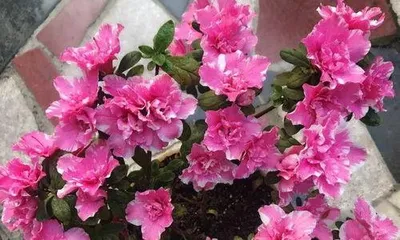
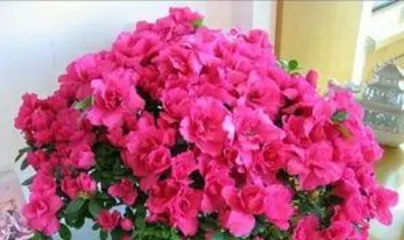
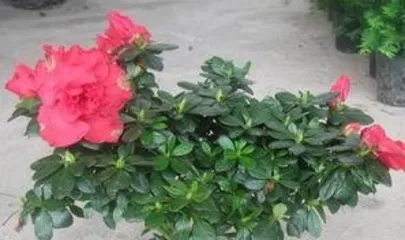
The picturesque beauty of the rhododendron is captivating, making it impossible not to pause and admire. To make this flower bloom in its most splendid colors, fertilization is a crucial step! Today, let me give you a detailed analysis of how to fertilize rhododendrons!

I. Understanding the Growth Habits of RhododendronsHow to Fertilize Rhododendrons?, Scientific Cultivation, Blooming Beauty1

Before fertilizing, let's first understand the growth habits of rhododendrons. Rhododendrons prefer a warm and humid environment, are not very cold-tolerant, and have specific soil requirements. Generally, they thrive in well-drained, fertile, and slightly acidic soil.

II. Fertilization TimeHow to Fertilize Rhododendrons?, Scientific Cultivation, Blooming Beauty2

The fertilization schedule for rhododendrons has two main stages: basal fertilizer and top dressing.

1. Basal Fertilizer: Apply a basal fertilizer once in spring, around March, before the rhododendrons begin to sprout. At this time, you can use well-rotted organic fertilizers like chicken or cow manure, applying about 500 grams per plant.

2. Top Dressing: During the active growth period, from May to August, apply top dressing every 15 days or so. For this, a compound fertilizer containing nitrogen, phosphorus, and potassium is suitable, with an application rate of about 10 grams per plant.

III. Fertilization MethodsHow to Fertilize Rhododendrons?, Scientific Cultivation, Blooming Beauty3

1. Basal Fertilizer Application: Spread the well-rotted organic fertilizer evenly around the base of the plant, then gently turn the soil to mix it thoroughly.

2. Top Dressing Application: Dissolve the NPK compound fertilizer in water, diluting it according to the package instructions, and then spray it evenly onto the rhododendron's leaves.

IV. Fertilization Precautions

1. Avoid Over-fertilization: Excessive fertilizer can cause overly vigorous growth and hinder flowering. Always use the recommended amount.

2. Timing Matters: The best time to fertilize is in the morning or evening. Avoid applying fertilizer in direct sunlight.

3. Water After Fertilizing: Water the plant promptly after fertilizing to help the nutrients absorb.

4. Keep Fertilizer Away from the Roots: Avoid placing fertilizer directly on the roots to prevent root burn.

V. Fertilization Effects

With proper fertilization, rhododendrons will grow more lushly and produce more vibrant flowers. Additionally, fertilizing can enhance the plant's resistance to diseases and extend its blooming period.

To ensure your rhododendron displays its most beautiful blooms, proper fertilization is key. Master the correct techniques, and your rhododendron is sure to thrive and become a stunning addition to your home!