Abstract:
Begonia is a beautiful flower often used as an indoor decorative plant material. However, whether begonias have toxicity during indoor cultivation is a concern for many people. This article will start from the toxicity issue of begonias and introduce how to safely cultivate them.
Begonia is a beautiful flower often used as an indoor decorative plant material. However, whether begonias have toxicity during indoor cultivation is a concern for many people. This article will start from the toxicity issue of begonias and introduce how to safely cultivate them.
I. Toxicity Issues
1.1 Toxic Parts of Begonia
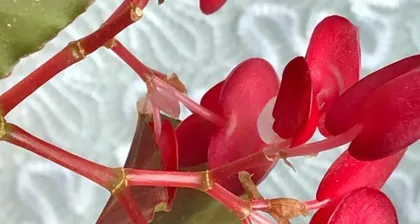
The leaves, stems, and fruits of begonia contain various toxic components, especially the fruits and leaves which are more toxic.
1.2 Toxicity Level
The toxicity of begonia is not very strong and usually does not cause serious harm to humans. However, if ingested or contacted with sensitive areas (such as eyes, mouth, etc.), it may cause some discomfort.
1.3 Toxic Symptoms
If ingested or contacted with toxic parts of begonia, it may cause symptoms such as nausea, vomiting, diarrhea, skin allergies, and in severe cases, difficulty breathing.
II. Care Points
2.1 Choosing Planting Environment
When cultivating begonia indoors, choose a well-ventilated environment with sufficient sunlight, avoiding excessive moisture and lack of oxygen.
2.2 Controlling Watering Amount
Begonia needs moderate humidity during growth period, but avoid overwatering to prevent root rot.
2.3 Proper Pruning
Proper pruning of begonia branches can promote growth and branching, maintaining good shape and form.
2.4 Fertilization Precautions
Choose appropriate fertilizer for begonia and avoid over-fertilization to prevent adverse effects on growth.
2.5 Pest Control
Begonia is susceptible to pests like aphids and whiteflies, so preventive measures should be taken.
2.6 Temperature Changes
Begonia is sensitive to temperature changes, so avoid placing it in cold or excessively hot environments.
2.7 Avoid Contact with Toxic Parts
When caring for begonia, avoid contact with its leaves, fruits and other toxic parts to prevent ingestion or discomfort.
2.8 Properly Dispose of Pruned Branches and Fallen Leaves
Begonia produces pruned branches and fallen leaves during growth, which should be cleaned up and disposed of properly to avoid negative environmental impact.
III. Identification of Begonia
3.1 Characteristics of Begonia
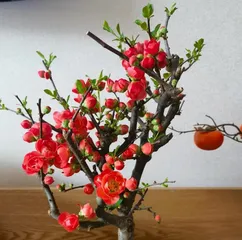
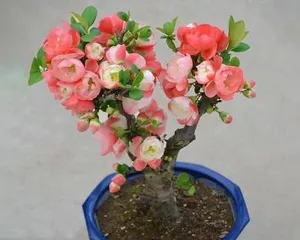
Begonia flowers are large and bright, with petals forming full hemispherical shapes, prominent central stamens, and overall elegant curved forms.
3.2 Identifying Other Varieties
Varieties similar in appearance to begonia include Burle Marx, marigold, etc., which require careful observation and comparison for identification.
IV. How to Handle Ingestion or Contact with Begonia
4.1 If Ingested
If toxic parts of begonia are ingested, drink plenty of warm water immediately and seek medical examination and treatment.
4.2 If Contact with Sensitive Areas
If contact occurs with sensitive areas (like eyes, mouth), rinse thoroughly with plenty of water and seek medical examination and treatment.
V. Care Precautions
5.1 Choose Healthy Begonia
When purchasing begonia, select healthy plants and avoid those already diseased or infested with pests.
5.2 Follow Care Guidelines
When caring for begonia, follow the care guidelines to avoid excessive or insufficient maintenance measures.
5.3 Pay Attention to Indoor Environment
Maintain proper ventilation and humidity in the room, avoiding overly dry or moist environments that could negatively affect begonia growth.
5.4 Prevent Pests
During begonia growth, take preventive pest control measures. Regular cleaning of fallen leaves and pruning helps reduce pest occurrence.
5.5 Observe Growth Status
Regularly observe the growth status of begonia and adjust care measures promptly to maintain healthy growth.
VI. Conclusion
Begonia does have certain toxicity issues during indoor cultivation, but as long as you follow relevant care points and precautions, you can safely cultivate this beautiful flower, allowing it to bring more joy and beauty to our lives.