String of Pearls is a popular indoor plant, loved for its beautiful appearance and easy cultivation methods. In this article, we will introduce how to care for String of Pearls to make the pearls larger and more beautiful.
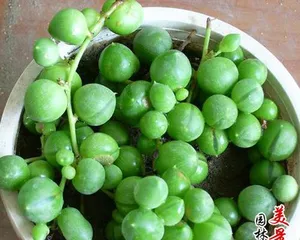
Soil Selection
When growing String of Pearls, choosing the right soil is very important. Soil suitable for succulent growth typically has good breathability and drainage. It is recommended to use loose media such as vermiculite, perlite, and leaf mold as base soil, and you can add appropriate amounts of river sand and small stones to increase drainage as needed.
Light Requirements
String of Pearls prefers bright environments but needs to avoid direct exposure to strong sunlight. When planting indoors, you can place the plant near windows and use transparent curtains or white gauze to block the sun.
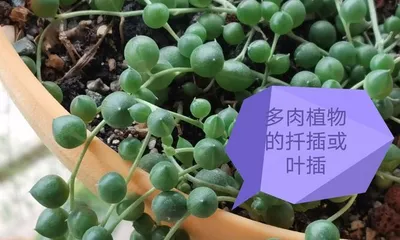
Water Management
The key to caring for String of Pearls is proper water management. These plants need moderate water during their growing season, but don't let the soil become too moist. Usually, you should wait until the soil is completely dry before watering again to prevent root rot from overwatering.
Fertilization Methods
String of Pearls has relatively low nutritional requirements and can be fertilized once a month. It is recommended to use special succulent fertilizers containing nitrogen, phosphorus, and potassium nutrients, following the instructions on the packaging for application.
Temperature Management
String of Pearls likes warm environments, with an optimal growth temperature of 15-25°C. In winter, keep the indoor temperature no lower than 5°C, and you can use heaters or humidifiers to help maintain the temperature.
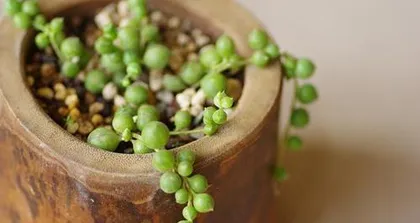
Pruning
String of Pearls grows quickly, and overly long stems can affect the overall aesthetics. You can use scissors to trim excess stems, which can also promote side bud growth and make the plant fuller.
Soil Replacement
String of Pearls grows rapidly, and the soil gradually becomes loose, requiring regular replacement. It is recommended to replace the soil once a year, preferably in spring.
Disease Prevention
String of Pearls is susceptible to fungal infections and pests, especially in high-humidity environments. Timely treatment of diseases and pests on plants can be done using insecticides, fungicides, and other agents for prevention and control.
Avoiding Excessive Sunlight
String of Pearls can easily get sunburned under intense sunlight. If the plant starts to turn red or fade, it indicates that it needs more shade or reduced sun exposure time.
Seasonal Changes
The growth cycle of String of Pearls is greatly affected by seasons. In spring and summer, the plant enters a rapid growth period and requires more water and fertilizer. While in autumn and winter, the frequency of watering and fertilization should be reduced.
Placement
String of Pearls can be placed in any bright location indoors, such as desks, windowsills, and bedrooms. You can choose different sized pots as needed to create various landscape effects.
Maintaining Humidity
String of Pearls grown in dry environments can be affected. You can regularly mist with a sprayer to maintain humidity around the plant.
Cultivation Methods for Different Varieties
Different varieties of String of Pearls require different cultivation methods. Some varieties prefer warm and humid environments, while others adapt to drier conditions and lower temperatures. When cultivating different plant varieties, you need to adjust the cultivation method according to their characteristics.
Propagation Methods
String of Pearls can be propagated through leaf cuttings, stem cuttings, and division. Different propagation methods require attention to different details, such as drying leaves before cutting, and cutting stems to appropriate lengths.
String of Pearls is a beautiful and easy-to-grow indoor plant, but proper care methods are still necessary. Choosing suitable soil for growth and controlling factors like water and light will have a significant impact on the plant's growth. We hope this article helps readers better cultivate String of Pearls so they can grow healthily.
<|end_of_box|>